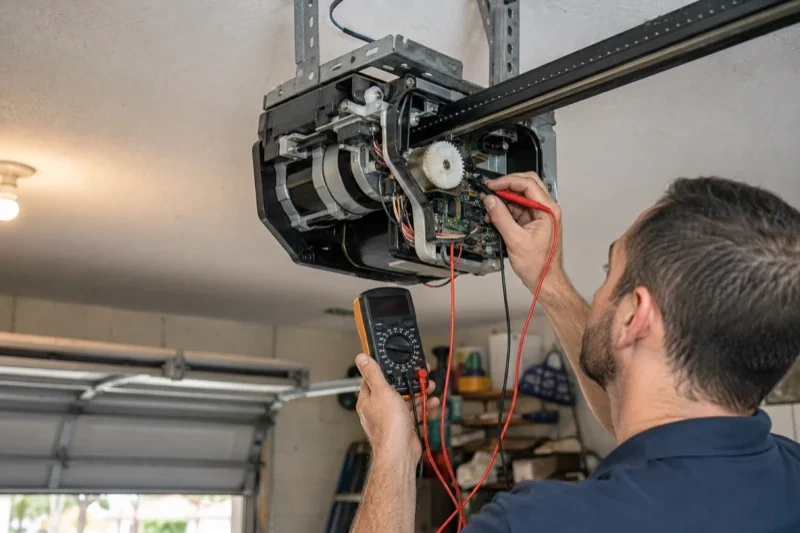
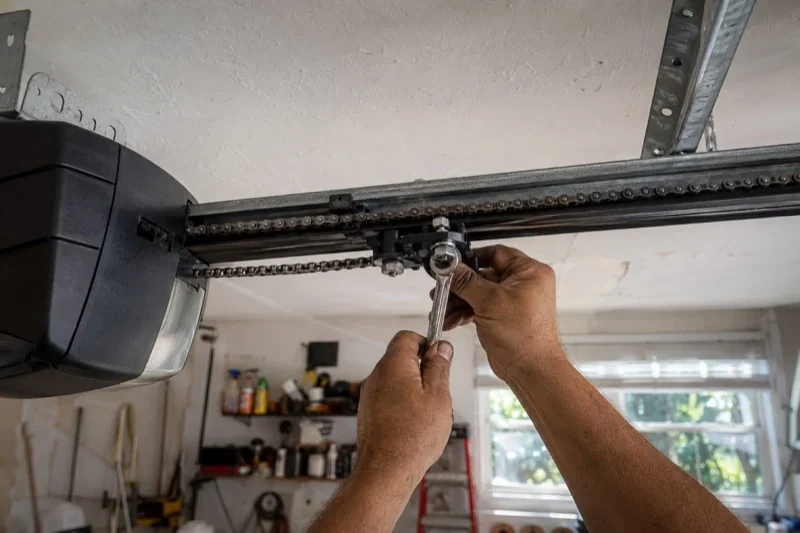
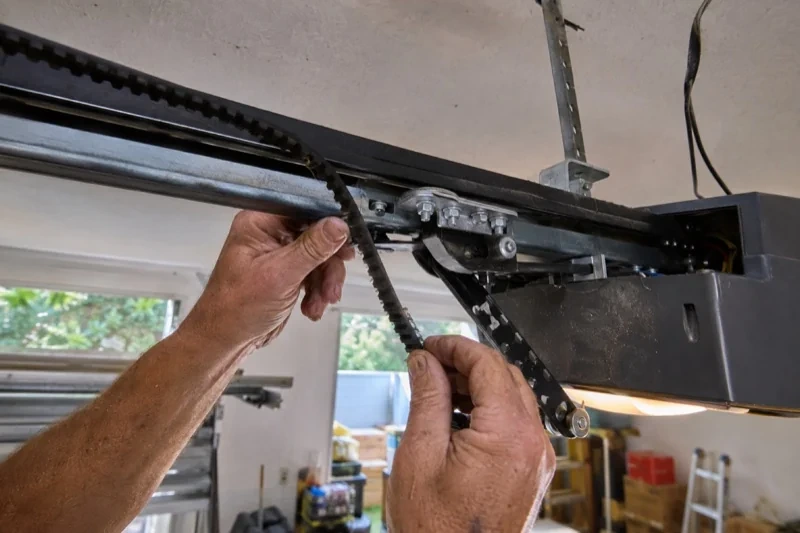
What does photo-eye sensor alignment or replacement involve?+
Describe the closing behavior and visible indicator status. Ask the assessment to distinguish obstruction, alignment, wiring and sensor faults before replacement is proposed. Confirm the matched components and the obstruction-detection checks included with the work.
How is the price decided?+
The scope depends on the condition, access and parts needed. Ask for a written quote for photo-eye sensor alignment or replacement, including any callout charge, before authorizing work. Prices are not published on these pages; ask for the written quote.
What information should I have ready?+
Describe the issue: The door reverses, will not close, or the sensor lights are not normal. Have your address, relevant model or hardware details and any previous work records ready.
How soon can the work be arranged?+
Confirm availability and the expected time on site when you contact the provider. Access, diagnosis and parts availability can affect the appointment; this page does not promise an arrival time.
How will I know what is included?+
Ask which of these are part of the proposed scope: photo-eye sensors, low-voltage wire, mounting brackets. Confirm exclusions and the completion check in writing.
Does a door that will not close always need new photo eyes?+
No. The cited LiftMaster chart distinguishes connection, wiring and alignment issues within similar closing complaints. Ask which condition was actually found and why alignment, wiring repair or sensor replacement is proposed for this system.
Are replacement photo-eye kits interchangeable?+
Do not select a kit from its appearance alone. LiftMaster directs buyers to the opener manual or parts diagram to confirm compatibility. Request the identified opener and proposed kit details in the quote, including any related wiring or bracket work.
What should be checked after sensor work?+
Ask for the applicable manufacturer function checks and their results to be recorded. The cited LiftMaster manual treats the photo-eye system and contact reversal as separate checks; a steady indicator alone is not a record that both were checked.
What if the closing problem remains after alignment?+
Ask for the remaining symptom and next diagnostic step to be documented before approving another part. Keep the original complaint, work completed and unresolved condition together so a continuing fault is not mistaken for a confirmed sensor failure.
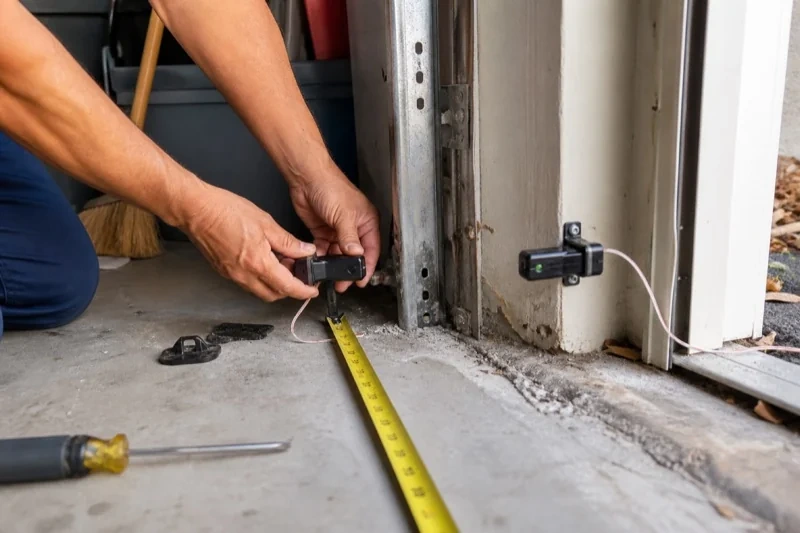 Service illustration · not a completed customer project